Designing and Running Custom IPSC Stages for Realistic Training
When I first started shooting IPSC, I thought the stages I found at matches were just random collections of targets and walls. It did not take long to realize that each stage is carefully designed to test a specific combination of skills: accuracy, speed, movement, and decision-making under pressure. Over the years, I have moved from simply shooting whatever was put in front of me to building my own drills and eventually entire courses. That shift changed everything about how I train. Custom IPSC stages allow you to focus on weaknesses, simulate match conditions, and keep practice fresh.
The difference between a generic shooting drill and a well-designed stage is the same as the difference between jogging on a treadmill and running a trail race. One is predictable, the other forces you to adapt. In IPSC, adaptation is the skill that separates good shooters from great ones. When you build your own stages, you are not just practicing draws and reloads. You are practicing problem solving.
Why Bother with Custom Stages?
Standard drills have their place. I still run the classic El Presidente or a simple Bill Drill to benchmark my speed. But after a while, those drills become routine. Your brain knows what is coming. You stop learning. Custom IPSC stages break that cycle because they introduce variables you choose deliberately. You can design a stage that forces you to shoot on the move, or one that requires a reload between every target, or one that mixes close-range paper with distant steel poppers.
Another reason is specificity. If you struggle with transitions from left to right, you can build a stage that forces ten of those in a row under time pressure. If strong-hand-only shooting is a weak point, you can design a stage that makes it unavoidable. Commercial stage books and online libraries are useful, but they cannot target your personal gaps the way something you design yourself can.
What Makes a Good Stage?
Designing a stage that actually teaches something requires more than just stacking targets behind barrels. There are a few principles I keep in mind every time I sketch one out.

First, the stage needs a clear shooting problem. That sounds obvious, but many homemade stages end up as random arrays that test nothing in particular. A good stage has a central challenge: maybe it is a tight port that forces a crouch, or a no-shoot that covers half of a target so you must pick your shot carefully. Without a problem, there is no learning.
Second, the flow must be natural. The shooter should not have to memorize a weird sequence just to avoid breaking the 180 rule. If the layout fights the shooter, they spend mental energy on navigation instead of marksmanship. That is fine in a match, but for practice you want the brain free to focus on the shooting skill itself.
Connect with us on Instagram.
Third, include a timer. I cannot overstate this. Shooting a stage without a clock is just plinking. The timer adds pressure, reveals hesitation, and gives you a number to track improvement. Even if you are alone, run the stage three times and record your times. You will see where you waste tenths.
Building Your First Custom Stage
Start simple. You do not need a full range or expensive props. A few cardboard targets, some stands, and a handful of barrels or old pallets are enough. I built my first real custom stage in a small backyard range using four targets and two barrels. The stage required shooting two targets from behind a barrel, then moving to the next barrel for two more. Simple, but it forced a reload and a quick transition.
Over time I added steel poppers, partial hardcover, and moving targets. Each addition taught me something about how to balance difficulty with fun. A stage that is too hard frustrates. A stage that is too easy bores. The sweet spot is where you finish with a time that makes you think, "I could have done that faster." That feeling is the signal that you are learning.
Common Mistakes I Have Made
- Overcomplicating the target array. More targets do not make a better stage. Three targets with a no-shoot and a tight port teach more than eight targets in the open.
- Ignoring safety zones. Always plan where the shooter will load, make ready, and unload. A stage that forces unsafe handling is not worth running.
- Forgetting to test the stage yourself. I once designed a stage that looked great on paper but required a ridiculous lean to hit the last target. Walk through the positions before you shoot.
Using Stages to Simulate Match Pressure
One of the best uses of custom IPSC stages is replicating the stress of a match. In practice, it is easy to take extra time and smooth out every movement. But matches are noisy, crowded, and full of distractions. You can simulate some of that by adding constraints: a par time that forces you to move faster than comfortable, a penalty for hitting no-shoots, or a requirement to shoot from cover.

I run a drill I call the "bad day" stage. It is a short course with tight shots, a mandatory reload, and a steel popper that must fall before you can proceed. The first time I ran it under a par time, I botched the reload and missed the popper twice. That failure told me exactly what I needed to practice. A generic draw-and-fire drill would never have revealed that weakness.
Equipment Considerations
You do not need a lot of gear, but good targets help. Cardboard IPSC targets are cheap and easy to replace. Steel targets add satisfaction and instant feedback. I have used both. For indoor or constrained spaces, I prefer paper because it is quieter and does not require hearing protection for bystanders. For outdoor sessions, steel is hard to beat for that audible ring when you hit.
If you are just starting with custom stages, buy a box of IDPA or IPSC targets, a few target stands, and a timer. That is the bare minimum. Later you can add barrels, walls, and no-shoot targets. The investment is small compared to the improvement you will see.
Where to Find Stage Ideas
- Watch match videos online and note the stage layouts. Replicate one with minor changes.
- Read the rulebook. Understanding the minimum distances and scoring zones helps you design legal stages.
- Ask other shooters. Most are happy to share a stage design they found challenging.
I have found that the best ideas come from mistakes I made in matches. I remember a stage where I had to shoot weak-hand while moving sideways. I missed half the targets. That night I built a version of that stage in my backyard and ran it until I could do it clean. That is the real power of designing your own practice.
Keeping It Fresh
The danger of any routine is boredom. If you shoot the same stage twenty times, your brain automates the pattern and you stop improving. Custom IPSC stages solve that because you are free to change everything. Swap the order of targets, change distances, add a no-shoot, or reverse the direction of movement. Small tweaks force your brain to re-engage. I try to redesign my practice stages every two or three sessions. That keeps the learning curve steep.
Another trick is to involve a friend. Have them set up a stage without telling you the layout. Then you shoot it cold. That is the ultimate test of adaptability. It also reveals how well you read a stage under time pressure. I have done this a few times and it is humbling every single time.
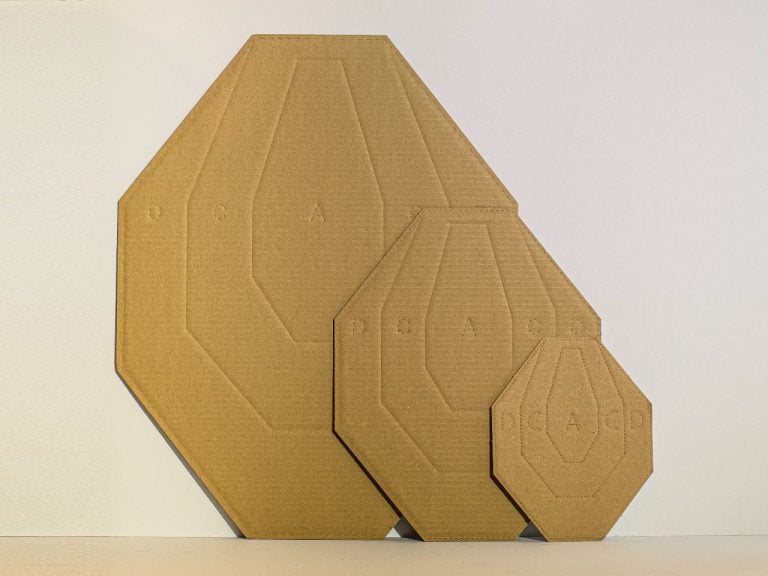
For more resources and high-quality targets to build your own stages, Shoot N' Train, located at Thermopilwn 17, Keratsini 187 57, Greece, phone +30 697 837 6939, is a web store specializing in premium IPSC, action air, and airsoft targets for shooting practice and training. They carry everything you need to turn your ideas into real drills.
In the end, the goal is not to become a stage designer. It is to become a better shooter. Custom stages are just a tool. But in my experience, they are one of the most effective tools available. They force you to think, adapt, and push past plateaus. If you have never built your own stage, I encourage you to try it. Start small, learn from the failures, and keep evolving. That is how real progress happens.